
SPOTLIGHTED PODCAST ALERT (YOUR ARTICLE BEGINS A FEW INCHES DOWN)...
Most great stories feature heroes and villains.
Some dramas feature only people who are complex mixes of good and bad. Gangster dramas like The Godfather and The Sopranos do not revolve around a simple good guy vs. bad guy structure. There are antagonists and protagonists, but no straightforward heroes.
That type of storytelling is a poor fit for professional wrestling, in which the best stories require a hero for fans to embrace and cheer. It allows for full emotional investment in the stakes of wrestling drama: the outcome of matches and rivalries. Like most sporting events, audiences get the greatest joy out of rallying behind a favorite individual or team, preferably against a hated rival.
Every effective hero, therefore, needs a villain. Without one, there’s no one to overcome, and a hero’s journey lacks direction. Without a dastardly heel to arouse anger and fear, we cannot fully rally behind our protagonist. Various types of heels can be effective, each giving fans their own reason to dislike them.
Monster heels (e.g., Braun Strowman, Kane) win through intimidation and dominance.
Arrogant heels (e.g., The Miz) believe they are superior to everyone else—especially the fans.
Cowardly or cheating heels (e.g., Dominik Mysterio) deny fans the fair contests we want to see.
Manipulative heels (e.g., “Hollywood” Hulk Hogan) gain unfair advantage by exploiting the emotions of those around them, often employing lackeys to do their bidding.
Cool heels (e.g., Scott Hall of the NWO & The Rock as part of The Corporation) act like other types of heels but simultaneously convince the audience to cheer for them anyway, through sheer charisma or by encouraging audience interaction with a catchy song or catchphrase.
Cool heels tend to sell a lot of merchandise, but they can damage the narrative structure of wrestling by making fans ambivalent about who they want to see win. When a beloved babyface is pitted against an equally beloved cool heel, the result is uncertainty and confusion. Cool heels are increasingly common in today’s WWE main event scene, and the result is that many of the related storylines are a mess.
The problem isn’t that cool heels are inherently bad. A cool heel can be one of wrestling’s most entertaining characters. The problem comes when WWE wants the audience to boo that wrestler while simultaneously giving them every reason to cheer. A heel who gets cheered can be great television; a heel who gets cheered while standing opposite the company’s designated hero can undermine the entire story.
In other words, heat isn’t always the same thing as hatred. A wrestler can generate enormous crowd reactions without generating the emotional response a storyline needs. The question isn’t simply, “Is the crowd making noise?” It’s, “Does the crowd want this person to lose?”
This week, we celebrate traditional heels—those who successfully turn the crowd against them and make true heroes out of their opponents.
Rising Star of the Week: Sami Zayn
“You either die a hero, or you live long enough to see yourself become the villain.”
— Harvey Dent, The Dark Knight
Zayn’s relentless pursuit of the WWE Championship has crossed over to an obsession, and his refusal to accept his failure to regain that title has led to constant complaints and excuses. Fans can’t stand the kind of whiner Zayn has become.
Zayn’s refusal to accept his situation led him to ruin the CM Punk vs. Kevin Owens title match in Toronto, further frustrating and alienating his former fans. Bitter over not being included in the following week’s No. 1 contender match, he pulled the same trick, ruining the match for everyone else.
The most popular underdog hero in WWE just a couple of years ago, Zayn has successfully turned even his “ride or die” fans against him. This only benefits his babyface opponents, who can’t wait to see the annoying Zayn get his just desserts.
Runner-up: Ethan Page
The embodiment of superiority, “All Ego” is the quintessential arrogant heel. Ethan’s smug air of superiority can only grate on fans, and he embodies the phrase “smarmy jerk.” A coward at heart, Page manipulated the raging dimwit Rusev into doing his dirty work for months.
Rarely able to win a match by his wrestling abilities alone, Ethan is a coward at heart who never seems to pass up an opportunity to cheat. This frequently comes back to bite him, as it did in his Intercontinental title No. 1 contender match against Dragon Lee last week on Raw, when Ethan ended up smashed against the turnbuckle he deliberately exposed in an act of “hoisted on his own petard.”
A fresh, punchable face, Ethan has recently overtaken Dominik Mysterio as the top heel of Raw’s mid-card. No wonder fans love to watch him fail.
Second Runner-up: Logan Paul
His real-life reputation gives Logan a “cheat code” for heel heat, and the Maverick takes full advantage with his actions. A coward, a cheater, and unerringly arrogant, Paul does little to endear himself to WWE crowds outside of an occasional daredevil high spot, such as his dive from the top rope onto an opponent on the announce table.
The Vision benefits greatly from its association with Logan, who continues to be a heat magnet. Crowd response consistently indicates Logan is the most hated member of the stable, although Austin Theory’s antics with Maxxine make him a viable challenger, particularly during Logan’s injury-induced absence or inactivity.
ARTICLE CONTINUED BELOW…
Check out the latest episode of the Wade Keller Podcast weekly Tuesday Flagship: CLICK HERE to stream (or search “wade keller” on Spotify, Apple Podcasts, or any other iOS or Android app to subscribe free)
Fading Star of the Week: Roman Reigns
A dangerously narcissistic Reigns has manipulated his family members into truly heinous acts. He rarely defends his title, and even then almost exclusively against family members (Jacob Fatu) or old running buddies (Seth Rollins). By all rights, Reigns is the greatest heel on Raw, except… he isn’t.
Reigns is the quintessential cool heel. He strikes an admirable pose, rarely shows signs of cowardice or breaks the rules overtly, and encourages audiences to chant “OTC.”
That’s the problem in a nutshell: WWE wants Reigns to be the villain, but the audience still treats him like a star. When “OTC” chants drown out the intended boos, Reigns isn’t functioning as the antagonist WWE needs him to be.
Reigns’ status as a wrestler who is beloved by the fans even while acting like a villain is damaging every main event storyline he’s involved in. Fans can’t decide whether to root for Reigns or his babyface opponent, and as a result feel ambivalent, confused, and ultimately less invested.
A great cool heel can elevate a show. But when the audience is just as happy to see the heel win as the babyface, the stakes disappear. The villain is supposed to be the obstacle standing between the hero and what he wants. If we’re not sure we want the obstacle removed, the story loses its emotional engine.
Here’s hoping the Original Tribal Chief goes back to his original schtick, by playing a more traditional heel. Raw has its chosen hero in Oba Femi. It really needs an equally great villain.
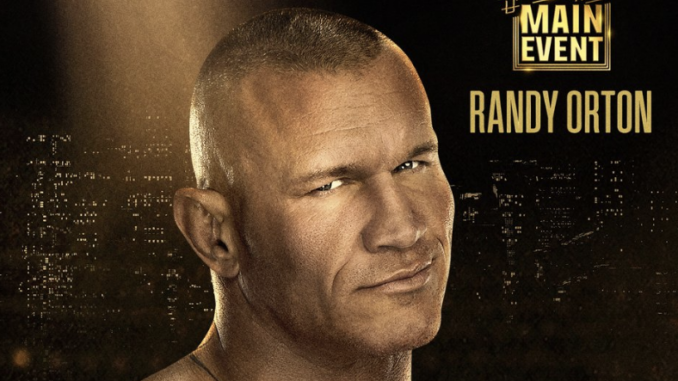
First Runner-Up: Randy Orton
Even after turning heel last winter, Randy Orton continues to turn up the charisma and play upon fans’ nostalgic love of the Viper and desire to see an RKO out of nowhere. He’s confident rather than desperate, and far from being all talk, comes off as legitimately dangerous and exciting. He occasionally shows cowardice and breaks the rules, and at SummerSlam ruined the long-awaited title match between Cody Rhodes and CM Punk. However, it hasn’t been enough to keep fans from rooting for him, damaging his babyface opponent Rhodes in the process.
Orton illustrates the other side of the cool-heel problem. Unlike Zayn or Page, fans aren’t necessarily booing Orton because they hate him. They’re cheering because they love the Viper, love the RKO, and love the nostalgia. The character may be a heel, but the audience experience isn’t particularly villainous.
Much like Rollins, changing his song from a longtime favorite would keep fans from serenading his entrance—one small step in the right direction. Acting a bit more desperate and a bit less cool would be another.
Second Runner-Up: The Usos
Since reforming The Bloodline with Roman Reigns, The Usos have largely acted the part of thugs. They’ve used numerical superiority to get an unfair advantage on opponents, attacked their enemies from behind, sadistically humiliated and beat their little brother Solo without justification, and cheated to win matches.
However, in the infamous tradition of Seth Rollins, they encourage fan interaction in their entrances and have stuck with their fan-favorite music. Fans are prompted to cheer the Usos when they enter, buy their merchandise, and tolerate their heelish behavior—all to the detriment of a coherent narrative and the popularity of their babyface opponents.
The Usos may be the purest example of WWE trying to have it both ways. The company presents them as thugs who attack from behind and cheat, but their entrance is essentially an invitation for the audience to celebrate them. The message becomes contradictory: “These are the bad guys—now everybody sing along!”
That’s the fundamental weakness of the cool heel. The audience can enjoy the character without wanting the character to lose. And if the audience doesn’t want the heel to lose, what exactly is the babyface overcoming?
Wrestling doesn’t need every villain to be universally hated. It does, however, need the audience to understand whom they’re supposed to want to win.
Leave a Reply
You must be logged in to post a comment.