
SPOTLIGHTED PODCAST ALERT (YOUR ARTICLE BEGINS A FEW INCHES DOWN)...
My name is Derrick Hubbard. I’m a 40-year-old lifelong wrestling fan from Utah, and I spent nearly two decades competing as a professional wrestler on the independent scene from 2003 to 2022. Over the years, I’ve followed wrestling across a wide range of styles and promotions – Lucha Libre, New Japan, ROH, and AEW – but today my focus is firmly on WWE and its associated brands, including NXT.
WWE’s slogan – Then. Now. Forever. – is more than branding; it’s a promise. It assures fans that today’s stars are built on yesterday’s foundations, and that the moments happening now will one day become history themselves. “WWE Watch List: Then, Now, Forever” is a weekly guide to what’s worth watching from WWE’s past, present, and timeless archive, viewed through the lens of a lifelong fan and former professional wrestler.
Each week, I’ll recommend matches, promos, and segments from three distinct eras:
- Then: A standout moment from WWE’s past, pulled from the archives.
- Now: A current (within the last five years) match or segment from WWE programming.
- Forever: A classic, timeless moment that defines WWE at its best.
Every selection comes with a brief explanation of why it matters – and why it’s worth your time. Each column will also be tied together by a central theme based on time, place, talent, or current happenings.
Theme: Post-WrestleMania Debuts
As we all know, WWE does not have an offseason. That said, the months following WrestleMania often feel like the beginning of a new season. Whether the company is capitalizing on the energy of its hallmark event or refreshing the product after major storylines conclude, maintaining momentum is a key objective for WWE creative.
One time-tested way to freshen things up is by adding new ingredients – introducing fresh talent to the main roster. This year alone, we’ve seen the arrivals of Ethan Page, Joe Hendry, Fatal Attraction, Ricky Saints, Sol Ruca, and Blake Monroe. Time will tell how these newcomers are received and how they shape the overall quality and excitement of WWE programming.
In this week’s column, I’ll highlight some notable and memorable post-WrestleMania debuts.
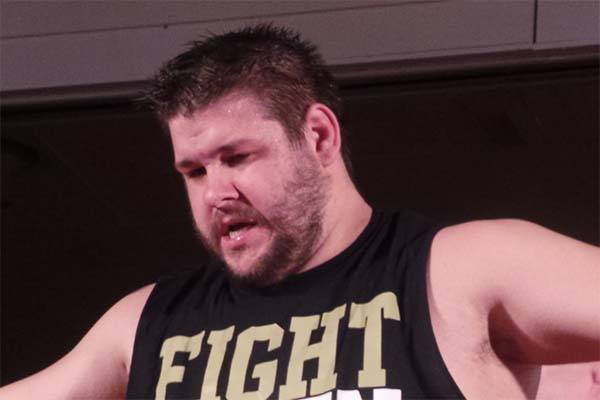
Then: Kevin Owens Debuts on Raw (May 18, 2015)
Following a WrestleMania that exceeded expectations (WrestleMania 31), WWE needed to maintain its momentum heading into the summer. To do so, then-NXT Champion Kevin Owens made a surprise debut by answering John Cena’s United States Title Open Challenge.
The result was immediately promising. Owens didn’t flinch opposite Cena, nor did he feel out of place in front of a larger audience. On his first night, he powerbombed Cena on the ring apron, an impactful statement that signaled WWE’s investment in him and reassured even the most skeptical fans.
Owens followed up his debut with a series of standout matches against Cena on consecutive premium live events, beginning at Elimination Chamber. In those matches, Owens demonstrated that his value extended far beyond impressive offense. He excelled in the moments between the moves – his arrogance, facial expressions, and in-ring banter made him impossible to ignore.
Across that series, Kevin Owens proved he wasn’t just another independent standout or a short-term attraction, he was a complete performer and a long-term asset to WWE.
Kevin Owens confronts John Cena on Raw (May 18, 2015)
Elimination Chamber 2015: John Cena vs. Kevin Owens
Now: Bianca Belair Debuts on Raw
Bianca Belair made her Raw debut alongside The Street Profits during the empty-arena era of 2020. Unlike Owens’ explosive arrival, Bianca’s introduction was more measured and deliberate.
Through short segments and consistent appearances, she gradually established the core elements of her character while showcasing her athleticism. In her first year, she competed in only two premium live event matches – a six-woman tag and a mixed tag – but displayed enough charisma and potential to keep fans invested.
One underappreciated aspect of the COVID era was WWE’s patience in storytelling. Without live crowd reactions dictating direction, creative had the freedom to commit to long-term plans. In Bianca’s case, that patience paid off.
WWE crafted a deliberate rise: Bianca refined her performance, creative maintained a steady vision, and the result was exceptional. She won the 2021 Royal Rumble and, in her first major singles match, main-evented WrestleMania against Sasha Banks.
Bianca’s debut is proof that an immediate splash isn’t the only path to success. Sometimes, a debut is the first chapter in a longer story—one that builds anticipation and rewards the audience over time.
ARTICLE CONTINUED BELOW…
Check out the latest episode of “PWTorch ’90s Pastcast” with Patrick Moynahan and Alex McDonald, part of the PWTorch Dailycast line-up: CLICK HERE to stream (or search “wade keller” on Spotify, Apple Podcasts, or any other iOS or Android app to subscribe free)
Forever: Mankind Debuts on Raw (April 1, 1996)
Why It Endures.
In 1996, I was 10 years old – a pure fan, untouched by online speculation, spoilers, or inflated expectations. At that time, the idea of post-WrestleMania surprises wasn’t something I anticipated.
Then Mankind appeared.
His debut – attacking The Undertaker and incapacitating him with the Mandible Claw – was shocking and disorienting. I wasn’t excited so much as confused. Who was this? Why did he target The Undertaker? What was he supposed to be?
That confusion quickly turned into intrigue.
In the weeks that followed, Mankind’s character was gradually revealed. In a word, he was unique. He looked different, moved differently, wrestled differently, and spoke differently. Just as importantly, the commentary – especially from Jim Ross – framed him differently.
Ross’s role cannot be overstated. His emotional, urgent descriptions gave weight and credibility to Mankind’s actions. Without that commentary, it’s fair to question whether the character would have resonated as strongly.
Mankind’s first six months were spent feuding with The Undertaker, and the pacing was nearly perfect – slow enough to build layers, yet fast enough to maintain interest. The Undertaker’s selling struck a careful balance: He didn’t show fear in a way that weakened his character, but he also didn’t dismiss Mankind’s unsettling presence.
Mick Foley’s attention to detail elevated everything. The hunched posture. The sideways shuffle. The head tilts. His awareness of the camera. Every movement and expression added depth to the character.
All of these elements combined to create something rare – a character that stood out in an era full of gimmicks, many of which were quickly forgotten.
Mankind’s debut and first six months remain, in my view, one of the most effective character introductions in WWE history. The contributions of Jim Ross, The Undertaker, and Mick Foley each played a crucial role in making Mankind a character that endures to this day.
Raw debut match: Mankind vs. Bob Holly (May 1, 1996)
Leave a Reply
You must be logged in to post a comment.